As we step into 2025, stakeholder management and engagement strategies continue to transform, driven by technological advancements and shifting societal expectations.
This article explores the trends shaping the future of stakeholder engagement, the role of technology like stakeholder platforms, and actionable insights to help organisations stay ahead.
Understanding the Importance of Stakeholder Management
At its core, stakeholder management entails identifying, understanding, and maintaining relationships with individuals or groups that have a vested interest in an organisation’s decisions and outcomes. These stakeholders can include employees, customers, partners, investors, regulators, and community members.
Effective stakeholder engagement fosters transparency, builds trust, mitigates risks, and enhances decision-making processes. It is particularly important as stakeholders expect organisations to align with ethical practices, sustainability goals, and equitable outcomes.
What is a Stakeholder Platform?
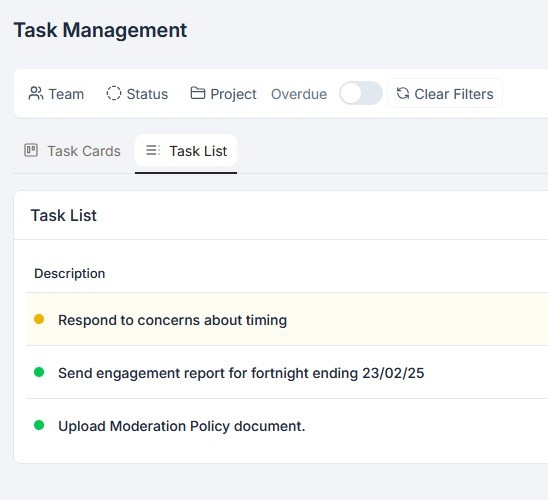
Modern stakeholder platforms are digital tools designed to streamline and enhance how organisations interact with their stakeholders. These platforms provide functionality such as communication tools, feedback mechanisms, reporting, and analytics. By consolidating engagement efforts into one centralised space, these tools can help maintain strong and meaningful stakeholder relationships in real-time.
Platforms such as Quicker’s Stakeholder Engagement Platform help businesses unify their efforts, measure the effectiveness of their engagement strategies, and adopt practices driven by data-informed insights.
Key Trends Driving Stakeholder Engagement in 2024
1. The Rise of Personalisation in Stakeholder Engagement
Personalisation has been critical in customer service, but it is now extending into stakeholder management. Organisations are leveraging AI and data analytics to segment stakeholders based on interests, needs, and behaviours. Personalised communication helps build stronger connections and increases participation in initiatives.
2. Focus on Sustainability and Social Responsibility
As climate concerns and social justice issues remain at the forefront worldwide, stakeholders expect organisations to take more responsibility for their impact. Businesses must integrate Environmental, Social, and Governance (ESG) principles into their stakeholder engagement plans.
For example, highlighting sustainability initiatives, such as efforts to reduce carbon footprints or community-focused programs, can resonate with stakeholders. Learn actionable ways to promote sustainability on this page about environmental benefits.
3. Technology-Driven Engagement
The growing prevalence of stakeholder platforms introduces unprecedented capabilities for engagement in 2024. These tools offer inclusive and easily accessible channels for dialogue with stakeholders. Virtual tools, such as content voting, surveys, and forums, foster greater participation—especially among digitally savvy demographics.
For example, tools like content voting enable organisations to gauge priorities effectively, while dashboards provide data visualisation of stakeholder feedback in real-time.
4. Inclusivity and Accessibility
Stakeholder engagement strategies in 2024 will increasingly focus on inclusivity. Leveraging accessible tools and technologies ensures all voices—regardless of demographics, location, or abilities—are heard. Organisations are turning to features like screen-reader compatibility, easy navigation, and language translation services to foster equitable participation.
For more insights, visit Quicker’s accessibility features overview, which outlines innovations enabling inclusive engagement.
Predictions for the Future of Stakeholder Engagement
Greater Reliance on Artificial Intelligence (AI)
In the long-term future, AI will not only support personalised messaging but also assist in forecasting stakeholder behaviours and sentiments. Advanced predictive analytics can enable organisations to anticipate concerns, allowing proactive engagement instead of reactive problem-solving.
Integration of Deliberative Democracy Principles
Deliberative democracy, which promotes collective decision-making through stakeholder participation, will gain prominence. Organisations will adopt collaborative approaches like citizens’ juries or participatory budgeting to ensure transparency and shared ownership of outcomes.
Explore how deliberative democracy principles can improve stakeholder engagement on this resource page.
Expansion of Virtual Reality (VR) in Stakeholder Consultations
Virtual reality and fixed-location technologies will provide immersive engagement opportunities. Stakeholders could “virtually visit” proposed construction sites, and policymakers can offer interactive experiences that make government consultations more engaging. These innovations will expand the scope of stakeholder platforms.
Stronger Focus on Data Security
As stakeholder platforms handle sensitive and private information, ensuring secure access will become non-negotiable. Enhanced encryption, multi-factor authentication, and data governance standards will be institutionalised across all major platforms.
For an overview of secure stakeholder tools, refer to Quicker’s secure tools and security solutions page.
Preparing Your Organisation for 2024 and Beyond
To remain competitive and stakeholder-focused in 2024, organisations should embrace a few best practices:
1. Prioritise Communication Transparency
Be proactive and open in your communication, particularly with regard to updates or decisions that could impact stakeholders. Clarity and authenticity are essential for cultivating long-term trust.
2. Invest in Stakeholder Management Tools
As organisations grow, managing stakeholder relationships becomes increasingly complex. Leveraging a stakeholder engagement platform reduces administrative complexities and scales engagement efforts efficiently.
3. Measure Engagement Impact
Use analytics tools to track stakeholder contributions, review engagement trends, and refine strategies. Platforms like Quicker’s Reporting and Analytics offer detailed performance metrics, keeping organisations well-informed on how impactful their strategies are.
Conclusion
As stakeholder expectations evolve, it’s critical for organisations to align their engagement strategies with emerging trends. The importance of tools like stakeholder platforms and the adoption of people-centric, tech-savvy methods cannot be undervalued.
By focusing on inclusivity, sustainability, and data-driven decisions, businesses and institutions can stay ahead while fostering trust and collaboration. Prepare for 2024 by embracing these insights, and position your organisation as a leader in stakeholder engagement.
FAQs
What is stakeholder management, and why is it important?
Stakeholder management involves identifying and nurturing relationships with groups that influence or are influenced by an organisation. It is essential for building trust, mitigating risks, and improving decision-making processes.
What is a stakeholder engagement platform?
A stakeholder engagement platform is a digital tool that streamlines communication, data management, and collaboration with stakeholders. It ensures transparency, fosters participation, and improves engagement outcomes.
How can organisations measure engagement success?
Organisations can use key performance indicators (KPIs) and analytics tools to measure participation rates, feedback quality, and the impact of decisions driven by stakeholder input.
What trends will impact stakeholder engagement in 2024?
Key trends include personalisation, inclusivity, sustainability, AI-driven insights, and the integration of advanced technologies such as virtual reality into engagement practices.